Many Maryland business owners start with a single company car or truck and later grow into a small fleet. Others begin with several vehicles right away. In either case, the insurance needs are different from personal auto coverage, and the right policy depends on how many vehicles you operate and how they are used.
Personal auto insurance is written for private use. Once a vehicle is owned by the business, titled in the company name, or regularly used for work, deliveries, client visits, job-site travel, or transporting tools and materials, most personal policies will not respond the way you expect. Claims can be denied, leaving the business exposed to medical bills, property damage, and legal costs. That is why commercial auto coverage exists.
Maryland requires commercial vehicles to carry at least $30,000 in bodily injury liability per person, $60,000 per accident, and $15,000 in property damage, along with uninsured motorist coverage. Those state minimums are a starting point, not a recommendation. The actual limits you need depend on the value of the vehicles, the type of driving your employees do, and the potential cost of a serious accident.
Coverage for a Single Business Vehicle
If your company owns just one car, van, or truck, a commercial auto policy can be written specifically for that vehicle. The policy typically includes liability coverage for injuries and property damage you cause to others, plus options for collision and comprehensive protection that pay for damage to your own vehicle. Many small businesses also add coverage for hired or non-owned autos. That protects the company if an employee uses a personal car for work errands or if you rent a vehicle for a short-term need.
Even with only one vehicle, the stakes are higher than with a personal car. A single accident involving a company vehicle can lead to claims that exceed the limits of a basic personal policy. Commercial coverage is designed for that higher exposure and usually includes higher liability options.
When You Have a Fleet
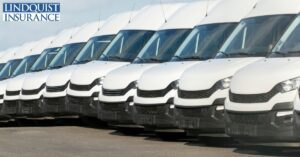
Once you add a second or third vehicle, a fleet policy often becomes the cleaner and more practical choice. A fleet policy lists multiple vehicles under one contract. It can simplify paperwork, make it easier to add or remove vehicles as your needs change, and sometimes produce better pricing than buying separate policies for each unit.
Fleet coverage still needs to be customized. Not every vehicle in a fleet carries the same risk. A delivery van that runs all day on the road has a different exposure than a pickup used mainly for local service calls. Drivers matter too—their records, experience, and how often they are behind the wheel affect both the cost and the terms of the policy. Some policies allow flexibility so you can adjust coverage as the fleet grows or shrinks.
Other Factors That Affect the Decision
Whether you have one vehicle or ten, a few practical questions help determine the right structure:
– Are the vehicles owned, leased, or a mix of both?
– Do employees ever use their own cars for business purposes?
– Do you haul tools, equipment, or customer goods that could increase the value of a claim?
– How far do the vehicles travel, and in what kinds of traffic or weather conditions?
The Insurance Information Institute notes that businesses should review vehicle use guidelines, limit non-business use of company vehicles, and have clear procedures for what employees should do after an accident. Those steps reduce risk no matter the size of the operation. ***
Why the Right Structure Matters
Choosing between a single-vehicle policy and a fleet arrangement affects how claims are handled, how easily you can keep coverage current as the business changes, and how well the policy matches the actual risks your drivers face every day. An underinsured or poorly structured policy can leave gaps that cost far more than the premium difference between the two approaches.
Local agents who understand Maryland requirements and the kinds of businesses operating in Frederick, MD, Annapolis, MD, and the surrounding areas can help sort through the options. They can look at your specific vehicles, drivers, and operations and recommend whether a single policy or a fleet setup makes the most sense—and what limits and endorsements belong on it.
If your company uses even one vehicle for business, or if you are adding to a growing fleet, it is worth reviewing your current coverage. The right auto business insurance protects the vehicles, the people who drive them, and the financial health of the company itself.
Contact Lindquist Insurance for a free quote. Call (301) 694-0008 or visit lindquistinsurance.com/business-auto/ for more information and to talk with a local agent who can help you decide between single-vehicle coverage and a full fleet policy that fits your Maryland business.
Lindquist Insurance serves the Annapolis, MD, and Frederick, MD area.
*** For more information on Maryland State Commercial Fleet Insurance regulations, visit the Insurance Information Institute website.